Best detectors
Best Metal Detectors for Coin Hunting: Target ID, Iron and Old Turf
Quick answer
Coin hunting rewards target ID resolution and recovery speed, not raw depth. The Minelab Equinox 700 at $749.00 is the best all-round coin machine. Under three hundred dollars the Minelab X-Terra Pro and Fisher F22 both give a usable 0 to 99 target ID, which is what you actually need to sort silver from pull tabs.
Coin hunting is the most common thing people do with a detector and the most misunderstood. The mental picture is of a machine that finds deeper coins than the next machine. The reality on any ground that has been hunted before is that the deep easy targets left decades ago, and what remains is a good coin lying next to a nail, a bottle cap or a century of aluminium. The machine that finds it is the one that recovers quickly between two targets a few inches apart and gives you a target number you can trust.
Target ID is a conductivity ordering rather than a lookup table. Iron reads at the bottom of the scale, foil and small gold low, nickels and pull tabs in the middle, and copper and silver at the top, with a large silver coin sitting near the top of the range. That ordering is physics and it holds on every machine. The exact number is machine specific and shifts with soil chemistry, moisture, depth, target orientation, corrosion and firmware, which is why the general target ID chart gives ranges and why the per-machine charts such as the ACE 400 chart exist at all.
Top pick

Minelab Equinox 700
Minelab publishes Multi-IQ with four single frequencies, three detect modes including Field for fine coins, 2.8 lb and full waterproofing to 16 feet, which covers every kind of coin ground from a dry park to a wet river bank.
Price was accurate when this page was compiled and changes often.
On this page
- What should a coin machine actually be good at?
- How do the main coin machines compare on what the makers publish?
- What is the cheapest machine that finds coins properly?
- What does three hundred to seven hundred buy a coin hunter?
- When does a flagship find coins a mid-range machine misses?
- How do you check what your own machine says about coins?
What should a coin machine actually be good at?
Three things, in this order. First, target ID resolution, meaning how finely the machine divides the conductivity scale. Most modern machines use 0 to 99, and Garrett publishes exactly that on the Garrett ACE 300 and Garrett ACE 400. Minelab publishes 119 high-resolution target IDs on the Minelab Equinox 900, and Nokta publishes 99 IDs with harmonic tones on the Nokta The Legend 2. More divisions do not make the number more correct, they make small differences visible, which on hunted ground is what lets you separate a silver dime from a corroded washer.
Second, iron handling. A coin site is an iron site, because everywhere people lived there were nails. Garrett publishes Iron Audio on the Garrett ACE 400 and 40 levels of high-resolution iron discrimination on the Garrett AT Pro. Minelab publishes iron bias control on the Minelab Vanquish 540 Pro-Pack. What all of these do is let you hear iron rather than silence it, which sounds backwards until the first time a good coin sitting against a nail gives a mixed signal and you dig it anyway. The iron audio settings chart sets out how to set it up.
Third, recovery speed, which is how quickly the electronics reset between two targets. This is the specification nobody advertises clearly and the one that decides your day on an old park. A fast machine with a small coil finds coins a slow machine with a big coil walks straight over, which is why a second coil is the cheapest real upgrade and why the coil size chart is worth reading before you spend on a new machine.
How do the main coin machines compare on what the makers publish?
Only published figures appear below. Where a listing is silent on a weight or a rating, the cell says so.
Every machine in this table publishes a 0 to 99 numeric target ID except the Equinox 900 at 119 divisions, and prices run from $149.99 to $999.00.
| Machine | Price | Target ID published | Iron handling published | Coil supplied |
|---|---|---|---|---|
| Garrett ACE 200 | $149.99 | 0 to 99 digital target ID | Simple discrimination scale | 6.5 by 9 waterproof PROformance |
| Teknetics Delta 4000 | $189.00 | Target ID with depth readout on LCD | Adjustable discrimination | 8 inch waterproof |
| Fisher F22 | $229.00 | 0 to 99 numeric target ID, 4-tone audio | Notch and discrimination | 9 inch weatherproof |
| Garrett ACE 400 | $357.99 | 0 to 99 digital target ID | Iron Audio, adjustable frequency | Waterproof searchcoil with cover |
| Bounty Hunter Time Ranger Pro | $219.00 | 99 point target ID with backlit display | V-Break and adjustable iron audio | 11 inch waterproof DD |
| Minelab X-Terra Pro | $282.14 | 30 discrimination segments | Park, Field and Beach modes, 2 each | IP68 to 16 ft, 2.9 lb |
| Garrett AT Pro | $459.99 | Proportional audio and tone roll | 40 levels of iron discrimination | Submersible to 10 ft, MS-2 included |
| Minelab Vanquish 540 Pro-Pack | $399.00 | Multi-IQ with 4 modes | Iron bias control | 12 by 9 and 8 by 5 coils |
| Minelab Equinox 700 | $749.00 | Fast accurate target ID, 3 modes | Park mode for high trash | EQX 11, 16 ft waterproof |
| Minelab Equinox 900 | $999.00 | 119 high-resolution target IDs | 4 modes including Park | EQX 11 and EQX 6 |
| Fisher F75 | $419.00 | 0 to 99 numeric target ID | Double-filter discrimination modes | Double-D waterproof coil |
Prices come from the catalog and move. Every figure is quoted from the maker listing or manual named in the sources. Target ID numbers shift with soil, depth, orientation and corrosion, so treat any published range as a starting point and check it against your own ground.
What is the cheapest machine that finds coins properly?
About a hundred and fifty dollars, and the reason is the number on the screen. An analog machine will find coins perfectly well, but it will not tell you what it has found, so you dig everything and learn slowly. A numeric 0 to 99 target ID turns every dig into a lesson, because you see the number, dig the target and find out what that number meant in your soil. That feedback loop is worth far more to a beginner than an inch of depth.

Garrett ACE 200
$149.99Garrett publishes a 0 to 99 digital target ID scale, a 6.5 by 9 waterproof PROformance coil, a weight under 3 lb, a 3 year warranty and manufacture in the USA. Note that the coil is waterproof and the control box is not, which Garrett states plainly.
Best for: parks and yards where a number on the screen teaches you the ground
Check price on Amazon
Teknetics Delta 4000
$189.00Teknetics publishes an LCD with target identification, a depth reading and battery status, an 8 inch waterproof coil, adjustable sensitivity and discrimination, and ground balancing controls. A depth readout alongside the target number is unusual at this price and genuinely useful while you are learning.
Best for: a budget coin machine that still shows you a depth estimate
Check price on Amazon
Fisher F22
$229.00Fisher publishes a 0 to 99 numeric target ID with a 4-tone audio system, weatherproof construction, detection of metal targets buried up to nine inches, and a weight of approximately 2 pounds with a padded grip and arm cup. Two pounds is light enough that a long park session stops being a physical decision.
Best for: an all-round first coin machine that is not outgrown in a season
Check price on AmazonWhat does three hundred to seven hundred buy a coin hunter?
Iron handling and a second coil, which between them are worth more on old ground than any depth claim. This is the band where the machine stops silencing iron and starts letting you hear it, where modes become genuinely different rather than cosmetic, and where a small coil either comes in the box or becomes affordable. Most coin hunters should stop here and spend the difference on a pinpointer and a digger.

Garrett ACE 400
$357.99Garrett publishes a 0 to 99 digital target ID, Iron Audio so you hear iron trash such as bottle caps and washers before you dig, electronic pinpointing in a non-motion all metal mode, and adjustable frequency to kill interference in crowded parks. Iron Audio is the feature that earns the step up from the 300.
Best for: park and field coin hunting on a mid budget
Check price on Amazon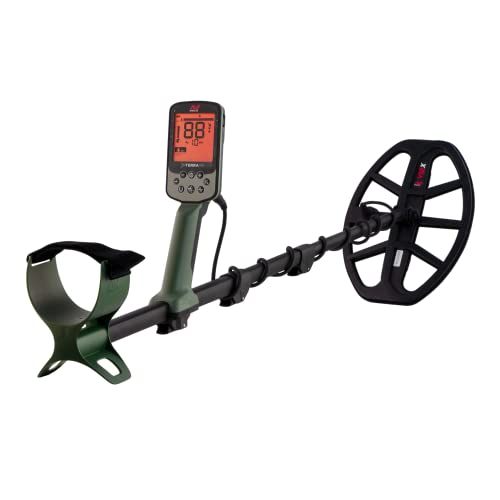
Minelab X-Terra Pro
$282.14Minelab publishes IP68 waterproofing to 16 feet, 30 discrimination segments, 2 Park, 2 Field and 2 Beach modes, a control pod flashlight, red backlight display and handgrip vibration at 2.9 lb. Two distinct Park programmes matter because a trashy modern park and an old quiet one are different problems.
Best for: coin hunting that also crosses wet ground and river banks
Check price on Amazon
Garrett AT Pro
$459.99Garrett publishes submersibility to 10 feet, proportional audio with tone roll and 40 levels of high-resolution iron discrimination, with MS-2 headphones included. Proportional audio carries more information than the number on the screen, which is why so many coin hunters learned on it and stayed.
Best for: old sites where the audio tells you more than the display
Check price on Amazon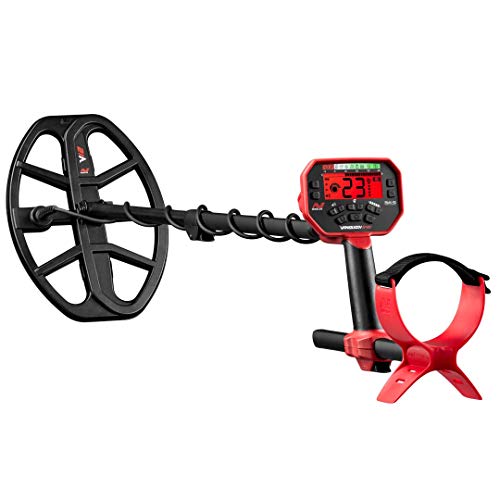
Minelab Vanquish 540 Pro-Pack
$399.00The Pro-Pack includes both the 12 by 9 and the 8 by 5 coils, and Minelab publishes Multi-IQ with Park, Field and Beach modes, iron bias control, automatic noise cancelling and lag-free audio at 2.8 lb. The small coil is the upgrade that changes what you find in a trashy park, and here it is included.
Best for: trashy parks and school yards where separation beats depth
Check price on Amazon Minelab Equinox 700
$749.00Minelab publishes Multi-IQ plus four single frequencies, a Field mode aimed specifically at fine coins and artifacts, full waterproofing to 16 feet, 2.8 lb on carbon fibre shafts and low latency wireless headphones included. It is the point where spending more stops buying most coin hunters more coins.
Best for: one machine for every kind of coin ground
Check price on AmazonWhen does a flagship find coins a mid-range machine misses?
On ground that has been worked for fifty years. The flagship advantage in coin hunting is not depth, it is separation: pulling a readable signal off a coin that is touching iron, at the edge of the machine range, in soil that is actively interfering. That describes a colonial house site, a Victorian park and a village green. It does not describe a modern sports field, where a mid-range machine will do everything you need.
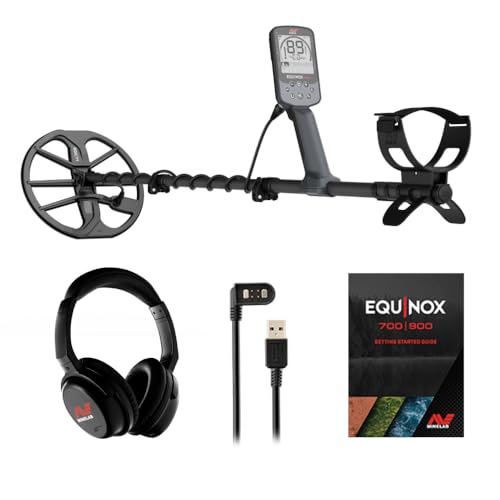
Minelab Equinox 900
$999.00Ships with the EQX 11 and the EQX 6, publishes 119 high-resolution target IDs, six single frequencies alongside Multi-IQ and four modes, at 2.8 lb and 16 feet of waterproofing. The small coil plus the extra target ID resolution is exactly the combination that old trashy coin ground asks for.
Best for: heavily hunted historic parks and old house sites
Check price on Amazon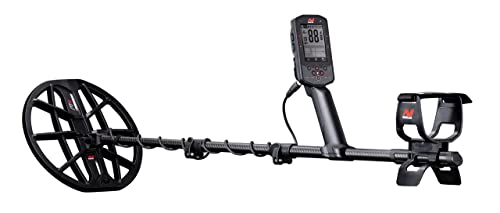
Minelab Manticore
$1,499.00Minelab publishes Multi-IQ+ as 50 percent more power than traditional models with a 2D target ID map and 10 search modes. The 2D display is the coin argument: a coin beside a nail produces a smear on a one-dimensional scale and a distinguishable shape on a two-dimensional one.
Best for: mineralised ground where target numbers go unstable
Check price on Amazon
XP Deus II
$1,299.00XP publishes 12 simultaneous multi-frequency programs, 49 single frequencies from 4 to 45 kHz, IP68 to 66 feet and a 5 year warranty, with no cable anywhere in the system. Coin hunting is a numbers game measured in hours swung, and the lightest flagship buys you more of them.
Best for: people who hunt long days and hate cables
Check price on Amazon
Fisher F75
$419.00Fisher publishes a 0 to 99 numeric target ID, double-filter discrimination modes for trashy areas, trigger-actuated FastGrab ground balance, a magnetic mineralisation bar graph and typically 40 hours from 4 AA batteries. It has a long reputation for a very light build and fast recovery in iron.
Best for: old sites where iron outnumbers everything else
Check price on AmazonWho should not buy this tier: Do not buy a flagship as a first coin machine. It will not find a coin a beginner would miss, and the menu depth genuinely slows down the one thing that makes a coin hunter good, which is digging a lot of targets and learning what the numbers mean in your own soil. Skip the Minelab Manticore if your ground is mild and damp, because you are buying power against mineralisation you do not have. Skip the Fisher F75 if you want a waterproof machine, because Fisher publishes a rain cover as the answer rather than submersibility. And before any of these, buy a Garrett Pro-Pointer AT and build a test garden, because knowing what a silver dime reads at six inches in your soil is worth more than another hundred dollars of machine.
How do you check what your own machine says about coins?
Bury known targets and write down what your machine tells you. Take a modern penny, a nickel, a dime, a quarter, a pull tab and a bottle cap, bury each at two inches, four inches and six inches in a marked row in your own soil, and record the target number and the tone for each one. That single afternoon will teach you more about your machine than every chart on this site, because it is measured in your ground rather than somebody else.
Leave them in for a season and check again. Numbers drift as the soil settles and the ground moisture changes, and a target that reads 78 in dry soil in the dry part of the year can read differently when the same ground is saturated. That drift is the reason every chart here gives ranges. The test garden guide sets out how to lay one out so the targets do not interfere with each other, and once the numbers are yours, the coin value calculator is the other half of the job: knowing what the thing you dug is actually worth.
How we chose
No machine here has been swung by us, there is no in-person coin test behind this page, and we will not pretend otherwise. Target ID resolutions, discrimination levels, coil sizes and waterproof ratings are quoted from each maker own listing or manual, named in the sources below. Where a maker publishes no figure the table says so instead of carrying a guess. The ordering follows what matters on hunted ground: target ID resolution, how the machine handles iron, how quickly it recovers between targets, and what coil it ships with.
Sources
- Garrett ACE 200, 300 and 400 owner manuals
- Garrett AT Pro owner manual and published specifications
- Minelab Equinox 700 and 900 instruction manual
- Minelab X-Terra Pro and Vanquish 540 product specifications
- Fisher F22 and F75 published specifications
- Teknetics Delta 4000 product listing
Frequently asked questions
What target ID number do silver coins read?
High on the scale, because silver is highly conductive, but the exact number is machine specific. On a 0 to 99 scale a US silver dime typically sits in the mid to high twenties on some machines and near the top of the range on others, depending entirely on how that maker maps the scale. Use the per-machine chart for your detector, then bury a known coin in your own soil and record what your machine actually says.
Do I need multi-frequency for coin hunting?
Not inland. On mild damp soil a good single frequency machine such as the Garrett AT Pro or the Garrett ACE 400 gives up very little on coins, and the money is better spent on a second coil. Multi-frequency earns its price on wet salt sand and in mineralised soil, where it holds a usable target number at depth that a single frequency machine loses.
Why do I keep digging bottle caps?
Because a rusted steel bottle cap can read close to a coin, particularly when it is corroded and lying flat. This is what iron audio is for: Garrett publishes it on the Garrett ACE 400 and the Garrett AT Pro specifically so you hear the iron content rather than having it hidden. A cap usually gives a broken or doubled signal when you sweep it from several angles, where a coin stays consistent.
Is a bigger coil better for coin hunting?
Usually not. A large coil covers more ground and sees slightly deeper on larger targets, but it blends targets that are close together into one confused signal, which on hunted ground is exactly the situation you are trying to solve. A 6 inch coil such as the Minelab EQX 06 Coil (6 inch) separates a coin from a nail three inches away, and that separation finds more coins than the extra depth does.
How deep are old coins actually buried?
Deep enough that ground conditions matter more than the machine. Coins sink at very different rates depending on soil type, drainage, turf and traffic, so a century old coin can sit at three inches in one field and eight in the next. Depth figures are ranges tied to a target size, a coil and a soil condition, never a single number, which is what the depth chart on this site sets out.
Researched, not professional advice. This page is compiled from published specifications, manuals and owner-review consensus, not hands-on testing. Target ID numbers, depth figures and settings vary with soil chemistry, moisture, target size, depth, orientation and firmware version, so treat every figure here as a starting point and verify it against your own machine's manual and your own ground. As an Amazon Associate we earn from qualifying purchases.