Calculator
Coin Find Value Calculator
Quick answer
One hundred mixed modern US coins made up of 40 cents, 20 nickels, 20 dimes and 20 quarters comes to $12.40 in face value and weighs about 480 grams. Enter your own counts below to total a hunt, a season or a single site.
Clad coin will never pay for a detector, but totalling it is how you find out which permissions are actually worth your weekends. A site that returns good modern coin is a site where people dropped things, and where people dropped things for the last forty years they were usually dropping them for the hundred before that too.
Face value
Weights are the published US Mint specifications for current circulating coinage. Silver coins are counted separately because their value is their metal and their collectability, not their face value.
Sorting, storing and checking finds
Top matches update when you calculate.
Tubes for bulk clad, flips for anything you might keep, and a loupe for the dates and mint marks that decide which is which.
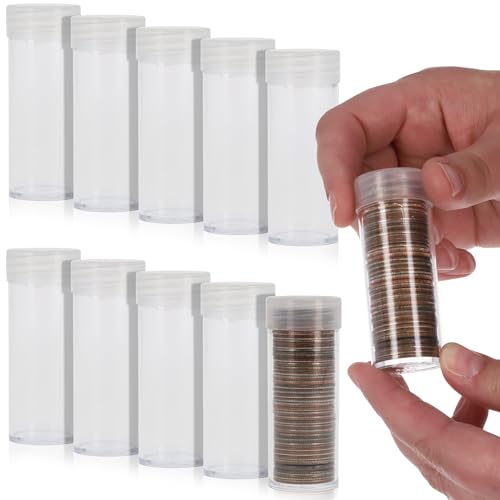
BCW Quarter Coin Tubes, 10 pack
$13.22For bulk clad, where individual flips are a waste of time.
Best for: sorting clad coin by denomination
Check price on Amazon
Cardboard Coin Flips, 300 in 6 sizes
$9.50A cleaned coin rubbing against other coins in a tin loses whatever value it had.
Best for: storing coin finds properly
Check price on Amazon
Digital Pocket Scale, 200 g by 0.01 g
$11.99Weight is the first thing that tells you whether a ring is what it claims to be, and it is what every value calculation starts from.
Best for: weighing gold, silver and coins
Check price on Amazon
Illuminated 30x and 60x Jewellers Loupe
$8.99Mint marks, hallmarks and dates are the difference between a common coin and a good one, and none of them are readable without magnification.
Best for: reading dates, mint marks and hallmarks
Check price on Amazon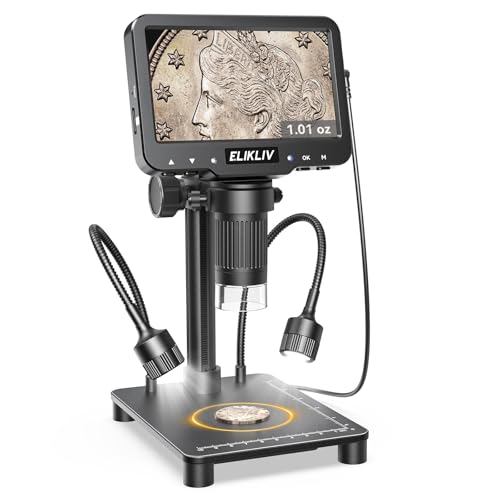
Coin Microscope with Weighing Scale
$49.99A screen beats squinting through a loupe when you are identifying a whole day's finds.
Best for: identifying and photographing finds
Check price on Amazon
CKG Finds and Digger Pouch
$24.99Separate compartments for finds, trash and the pinpointer, which is the only pouch layout that actually works.
Best for: general use
Check price on AmazonCheck the edge before you clean anything
A modern US clad dime, quarter or half shows a copper stripe on its edge. A 90 percent silver one does not, and that check takes a second. Dimes, quarters and half dollars dated 1964 or earlier are silver, and so are half dollars from 1965 to 1970 at a lower fineness. Anything that might be silver goes in a flip and gets looked at properly rather than scrubbed.
Keep a per-site record
Coins per hour is the most honest comparison between two permissions, because a hunt that felt good and a hunt that produced are frequently not the same hunt. Log the totals per site along with roughly how much trash you dug, and after a season the numbers will tell you where to spend your time. It also tells you when a site is genuinely worked out rather than just feeling quiet.
What to do with the clad
Rinse it, dry it properly so it does not corrode in a tin, and sort it into tubes by denomination. Banks and counting machines both handle it, though counting machines take a percentage. Do not put anything you have not checked the date on into a tube of bulk clad, because that is exactly how a silver coin gets cashed in for ten cents.
Frequently asked questions
How much clad coin does a detectorist actually find?
On a well used town park, somewhere between one and five dollars of modern coin in a good four hour hunt is a realistic range, and a busy swimming beach can beat that considerably. It will not fund the hobby, but it is a useful way to compare sites: a park returning consistently good clad is a park where people dropped things.
Is clad coin worth keeping?
Yes, because it spends. Rinse it, let it dry, sort it into tubes by denomination and take it to a bank or a counting machine. The useful part is not the money, it is the record: totalling what a site returns per hour tells you which permissions are worth going back to, which is a better guide than how a hunt felt.
Why total the weight as well as the value?
Because it is the honest measure of what you are carrying around all afternoon. A hundred dollars of mixed clad is several kilograms, which matters if you are walking in to a site. It is also a quick sanity check when cashing in: coin counting machines and banks both work by weight.
How do I know if a coin is silver before I clean it?
Check the date first, then the edge. US dimes, quarters and halves dated 1964 or earlier are 90 percent silver, and the giveaway on a clad coin is the copper stripe visible on the edge, which a silver coin does not have. Do not clean anything until you have checked, because cleaning destroys collectable value permanently.
Should I record what each site returns?
It is the single habit that most improves where you spend your time. Coins per hour, silver per hundred coins and trash ratio per site, written down, will tell you within a season which two or three permissions deserve most of your weekends and which ones you have been visiting out of habit.
Researched, not professional advice. This tool produces an estimate from the figures you enter and from published manufacturer specifications. Depth, ground coverage and battery runtime all vary with soil chemistry, moisture, temperature and how a machine is configured. Any metal value shown is a melt estimate only: it is not an offer, an appraisal or a guarantee of what a buyer will pay, and collectable coins are frequently worth far more than their metal. Get the landowner's permission before detecting on ground you do not own, keep off protected land, and fill every hole.