Machines
Bounty Hunter Land Ranger Pro Review: An 11 Inch Coil on a Budget Body
Quick answer
Buy the Land Ranger Pro if you want an 11 inch waterproof DD coil and 99 point target ID for $173.00, unusual coverage for the money. Skip it if you want a lighter, more refined body, because the Teknetics G2+ publishes the same coil size for less weight at a somewhat higher price.
Reviewed here
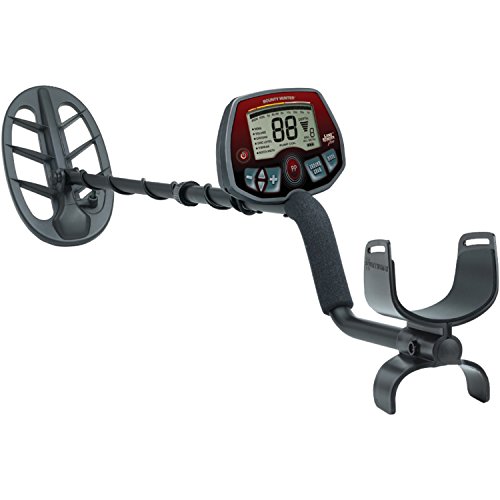
Bounty Hunter Land Ranger Pro
Bounty Hunter publishes an 11 inch waterproof DD searchcoil, 99 points of TARGET-ID resolution, 4-tone audio ID, 7 operating modes and computerized Ground Grab balancing.
Price was accurate when this page was compiled and changes often.
The Bounty Hunter Land Ranger Pro sells an unusual amount of coil for the money. Bounty Hunter publishes an 11 inch DD waterproof searchcoil, 99 points of target ID resolution, a 4-tone target ID system, 7 operating modes covering coin, relic and jewelry hunting across parks, yards, fields and beaches, and Ground Grab computerized ground balancing, all at $173.00.
That coil size and target ID resolution would be respectable on a machine costing considerably more, and it is the entire reason this model keeps selling against newer designs. The catch is everything the coil is bolted to: this is still a budget body, built to a price that shows up in the control housing, the electronics generation and the absence of several conveniences that pricier machines take for granted. The machines under $300 roundup is where this tradeoff gets weighed directly against its rivals.
On this page
- What does an 11 inch coil actually buy at this price?
- How does it compare with the machines it is priced against?
- What each listing publishes about weight, discrimination and price
- The honest weakness: the coil is generous, the body is still built to a budget
- What do owners consistently report?
- Who should buy it, and who should skip it
- What should you buy instead?
What does an 11 inch coil actually buy at this price?
Ground coverage and depth that a smaller budget coil cannot match. Bounty Hunter states the Land Ranger Pro finds coin-sized targets on the surface and buried moderately deep with this coil, and an 11 inch DD is genuinely more coil than most machines under $173.00 carry. Paired with 99 points of TARGET-ID resolution and a 4-tone audio system, programmable discrimination lets you decide what to detect, gold and silver, and what to ignore, nails and foil, rather than working with a simple two-way discriminate switch.
Ground Grab, Bounty Hunter's computerized ground balancing, automatically tunes the machine to soil mineralization with one button press, which matters on ground that has not been surveyed before. Combined with 7 modes covering coin, relic and jewelry hunting across parks, yards, fields and beaches, this is a machine built to be usable on the first outing without a long settings education, which the Land Ranger Pro target ID chart covers in more detail.
How does it compare with the machines it is priced against?
Published figures only. The Land Ranger Pro wins outright on price and coil size and loses on weight and electronics generation.
Bounty Hunter publishes an 11 inch coil for the Land Ranger Pro at less than two thirds the price of the similarly sized coils on the Teknetics G2+ and Garrett ACE 300.
| Model | Price | Stock coil | Coil type | Made in |
|---|---|---|---|---|
| Bounty Hunter Land Ranger Pro | $173.00 | 11 in | DD | - |
| Bounty Hunter Time Ranger Pro | $219.00 | 11 in | DD | - |
| Teknetics G2+ | $299.00 | 11 in | DD | - |
| Garrett ACE 300 | $269.99 | - | - | USA |
Figures are taken from each manufacturer's own published listing and specification sheet. A dash means the maker does not publish that figure for that model, not that the feature is absent.
What each listing publishes about weight, discrimination and price
The pattern is consistent: more published coil, fewer published refinements.
Bounty Hunter publishes the largest coil at the lowest price in this table, and does not publish an adjustable frequency or iron audio system the way Garrett and Teknetics do for their machines nearby in price.
| Machine | Coil published | Weight published | Interference control published |
|---|---|---|---|
| Bounty Hunter Land Ranger Pro | 11 inch DD, waterproof | 2.5 lb | Not published in this listing |
| Bounty Hunter Time Ranger Pro | 11 inch DD, waterproof | Not published in this listing | Not published in this listing |
| Teknetics G2+ | 11 inch DD open elliptical | Just over 2 lb | Not published in this listing |
| Garrett ACE 300 | Not published in this listing | Not published in this listing | Adjustable frequency stated |
Quoted from each maker own listing. Bounty Hunter names the coil size and weight for this model clearly and does not publish an adjustable frequency feature the way Garrett does for the ACE line at a similar price.
The honest weakness: the coil is generous, the body is still built to a budget
The clearest way to see this is against the Teknetics G2+, which publishes the identical 11 inch DD coil size at a somewhat higher price and states a weight just over 2 lb against the Land Ranger Pro's published 2.5 lb. That half pound shows up over a long session. More significantly, Bounty Hunter's listing here does not publish an adjustable frequency the way Garrett states for the Garrett ACE 300, so working near another detectorist or overhead power lines has fewer published options for dealing with chatter.
Second, this is not a waterproof machine as a whole. Bounty Hunter states the searchcoil itself is waterproof and the machine can find gold on land and in shallow water, which is a narrower and more careful claim than the fully submersible machine ratings Nokta and Minelab publish at a similar price. If wading or working the tideline is part of your plan, this listing does not support that use the way a stated 16 foot machine rating would.
Third, this is an older electronics generation than the current Nokta, Minelab and Garrett Vortex lines, and it shows in the published feature list: no wireless audio option, no rechargeable battery stated, and a target ID system built around 4 tones rather than the harmonic or proportional audio systems newer machines publish. None of that makes it a poor coin machine. It makes it a machine that trades refinement for raw coil size at a low price, which is an honest and specific tradeoff rather than a hidden one.
What do owners consistently report?
Published owner discussion consistently credits the coil for finding this model punching above its price: people comparing it against similarly priced machines with smaller coils report noticeably better ground coverage and depth on coin-sized targets. The 7 preset modes and one-button Ground Grab balancing draw praise from beginners specifically, since both remove decisions a new detectorist is not yet equipped to make well.
The recurring complaints track the weaknesses above: owners report the control box and armrest feel dated next to newer machines, some note chatter in electrically noisy areas with no published frequency adjustment to fall back on, and several published reviews specifically recommend budgeting for a smaller secondary coil once a buyer meets genuinely trashy ground, since the stock 11 inch coil is a general-purpose tool rather than a separation specialist. Owners also consistently re-learn their target numbers by soil, which the budget detector target ID comparison covers across this whole price bracket.
Who should buy it, and who should skip it
Buy it if:
- You want the largest published coil at the lowest price in this bracket.
- You want one-button ground balancing and preset modes rather than a menu to learn.
- You are covering ground cheaply and coil size matters more to you than refinement.
- You hunt dry land and occasional shallow water rather than wading regularly.
Skip it if:
- You want the lightest possible build, where the Teknetics G2+ publishes less weight on the same coil size.
- You want an adjustable frequency to fight interference, which the ACE 300 publishes and this listing does not.
- You want wireless audio or a rechargeable battery, neither of which this listing states.
- Wading or the tideline are part of your regular hunting.
What should you buy instead?
Three alternatives, each better than the Land Ranger Pro at one specific, published thing.
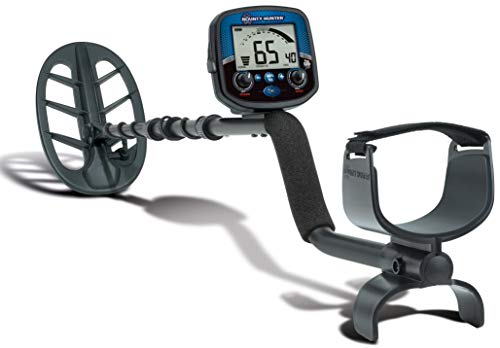
Bounty Hunter Time Ranger Pro
$219.00The same maker publishes an 11 inch waterproof DD coil, adjustable notch discrimination and a backlit display for $219.00, a modest step above the Land Ranger Pro.
Best for: buyers who want to stay in the Bounty Hunter line but add a screen
Check price on Amazon
Teknetics G2+
$299.00Teknetics publishes the identical 11 inch DD coil size at just over 2 lb, with V-Break tone discrimination and adjustable iron audio, for $299.00.
Best for: long sessions and iron-heavy relic ground
Check price on Amazon
Garrett ACE 300
$269.99Garrett publishes digital target ID, iron resolution, electronic pinpointing and an adjustable frequency to cut interference, made in the USA, at $269.99.
Best for: buyers who want frequency control published outright
Check price on AmazonHow we chose
We did not test these machines in person and we publish no find claims. Picks are researched from manufacturer specifications and owner manuals, published listing features, waterproof ratings and warranty terms, and the recurring themes in verified owner reviews. We favour the established detector brands because coils, shafts and control boxes have to stay available years after a model is discontinued, and we place every pick in the tier where its price and capability honestly belong.
Sources
- Bounty Hunter Land Ranger Pro product listing
- Bounty Hunter Time Ranger Pro product listing
- Teknetics G2+ product listing
- Garrett ACE 300 product listing
- Published owner reviews of the Bounty Hunter Land Ranger Pro
Frequently asked questions
Is the Bounty Hunter Land Ranger Pro a good first metal detector?
Yes, with the caveat that it trades refinement for coil size. Bounty Hunter publishes an 11 inch waterproof DD coil, 99 point target ID resolution and 7 preset modes with one-button ground balancing, which gets a beginner finding targets quickly. The tradeoff is an older electronics generation, no published adjustable frequency and a heavier build than newer machines at a similar price.
Land Ranger Pro vs Teknetics G2+: which should I buy?
Both publish an 11 inch DD coil, and the comparison comes down to weight and price. Teknetics publishes the G2+ at just over 2 lb with V-Break tone discrimination and adjustable iron audio, at a somewhat higher price. Bounty Hunter publishes the Land Ranger Pro at 2.5 lb and a lower price with a simpler 4-tone audio system. Buy the Land Ranger Pro to save money, the G2+ for a lighter, more tunable build.
Is the Bounty Hunter Land Ranger Pro waterproof?
The searchcoil is stated as waterproof and Bounty Hunter publishes that the machine can find gold nuggets on land and in shallow water. That is a narrower claim than a fully submersible machine rating, and the listing used here does not state a depth figure for the whole unit the way Nokta and Minelab publish 16 foot ratings for their machines. Treat it as suited to shallow water rather than wading or diving.
What is Ground Grab on the Land Ranger Pro?
Ground Grab is Bounty Hunter computerized ground balancing feature, which automatically tunes the machine to the soil mineralization of a site with a single button press rather than requiring a manual adjustment. It is one of the reasons this model suits a beginner: it removes a setting that a new detectorist is not yet equipped to judge well, while still adapting the machine to genuinely different ground types.
How deep can the Land Ranger Pro detect?
Bounty Hunter own listing states the machine finds coin-sized targets on the surface and buried moderately deep with the 11 inch DD coil, without giving a single-target depth figure that applies everywhere. Depth always depends on target size, soil mineralization and coil size together, which is why a depth calculator that accounts for your own ground is more useful than any single published number.
Researched, not professional advice. This page is compiled from published specifications, manuals and owner-review consensus, not hands-on testing. Target ID numbers, depth figures and settings vary with soil chemistry, moisture, target size, depth, orientation and firmware version, so treat every figure here as a starting point and verify it against your own machine's manual and your own ground. As an Amazon Associate we earn from qualifying purchases.