Mid-range machines
Fisher F75 Review: Still a Relic Machine, Now With a Dated Interface
Quick answer
Buy the F75 if you hunt iron-heavy relic ground and want a very light machine with fast recovery and manual control. Skip it if you hunt salt or want current features, because Fisher publishes no multi-frequency capability and no machine waterproof rating for it.
Reviewed here

Fisher F75
Fisher publishes trigger-actuated FastGrab ground balance, a magnetic mineralisation bar graph, double-filter discrimination for trashy ground and typically over 40 hours from four AA cells.
Price was accurate when this page was compiled and changes often.
The Fisher F75 is a specialist machine that has outlived its generation. Fisher publishes it with a claim to the lightest weight and best ergonomics in the industry, trigger-actuated pinpointing with variable audio pitch, a large LCD with 0 to 99 numeric target identification, double-filter discrimination modes for trashy ground, a magnetic mineralisation bar graph and readout, trigger-actuated FastGrab ground balance, non-volatile memory that keeps your settings, a backlight, a Double-D waterproof searchcoil, and typically more than 40 hours from four AA alkaline cells.
Read that list again and notice what is absent. There is no multi-frequency claim, no machine submersion rating, and no wireless audio. Fisher does publish that a rain cover for the control and battery housing is available, which tells you where this machine stands on water. It remains an excellent relic detector and a dated one, and both halves of that sentence matter.
On this page
- Why do relic hunters still buy this machine?
- How does it compare with the machines people cross-shop?
- What each listing publishes about frequency, power and water
- The honest weakness: a superb relic machine with a dated interface
- What do owners consistently report?
- Who should buy it, and who should skip it
- What should you buy instead?
Why do relic hunters still buy this machine?
Because of three features that suit iron-heavy ground specifically. The first is the magnetic mineralisation bar graph and readout, which tells you how hard your soil is working against you rather than leaving you to guess why a site feels shallow. Mineralised red clay and iron-rich old ground absorb signal, and knowing that is what stops you blaming the machine.
The second is trigger-actuated FastGrab ground balance, which lets you rebalance on the spot as soil changes across a field rather than stopping to walk a menu. The third is the double-filter discrimination modes, which exist for ground so full of iron that a normal filter cannot keep up. Add trigger-actuated pinpointing with variable audio pitch and a machine Fisher describes as the lightest in the industry, and you have a tool designed for long days on difficult ground. The relic hunting roundup explains why those qualities matter more on old sites than raw depth does, and the ground balance guide covers the technique the trigger makes quick.
How does it compare with the machines people cross-shop?
Fisher publishes very little tabulated specification for this model, which is itself informative at this price. Gaps below are gaps in the listing.
Nokta publishes an 11 inch and a 6 inch DD coil plus simultaneous multi-frequency for The Legend Pro Pack, where Fisher publishes neither a coil size nor a frequency mode for the F75 in its listing.
| Model | Price | Frequency type | Stock coil | Coil type |
|---|---|---|---|---|
| Fisher F75 | $419.00 | - | - | - |
| Teknetics G2+ | $299.00 | - | 11 in | DD |
| Fisher Gold Bug Pro | $339.00 | - | - | - |
| Nokta The Legend Pro Pack | $659.00 | Simultaneous multi-frequency plus single frequencies | 11 and 6 | DD |
Figures are taken from each manufacturer's own published listing and specification sheet. A dash means the maker does not publish that figure for that model, not that the feature is absent.
What each listing publishes about frequency, power and water
The F75 wins the battery column comfortably and loses the frequency and water columns, which is the shape of this whole decision.
Fisher publishes typically more than 40 hours from four AA cells for the F75, the best published runtime in this group, alongside no multi-frequency claim and no machine waterproof rating.
| Machine | Frequency behaviour published | Power published | Water capability published |
|---|---|---|---|
| Fisher F75 | Not published as multi-frequency | Typically 40+ hours, 4 AA alkaline | Waterproof searchcoil, rain cover available |
| Teknetics G2+ | Not published as multi-frequency | Not stated in this listing | Not stated in this listing |
| Fisher Gold Bug Pro | 19 kHz single frequency | Not stated in this listing | Not stated in this listing |
| Nokta The Legend Pro Pack | Simultaneous multi-frequency plus single frequencies | Not stated in this listing | Not stated in this listing |
| Minelab X-Terra Elite | Multi-IQ simultaneous multi-frequency | Not stated in this listing | Fully waterproof |
Quoted from each maker own published listing. Fisher publishing a rain cover as an available accessory is the clearest published statement about this machine relationship with water.
The honest weakness: a superb relic machine with a dated interface
The F75 is a fine detector whose interface and feature set now feel a generation behind the machines sitting next to it on the shelf. There is no simultaneous multi-frequency, so salt beaches are closed and mixed-ground versatility is limited. There is no wireless audio, so you are on a cable. There is no rechargeable battery, though the 40 hour figure from four AA cells means you will care less about that than you expect. The screen is a large LCD from an earlier design language, and next to a modern display it reads as functional rather than informative.
Then the money. At $419.00 you are within reach of Nokta The Legend Pro Pack at $659.00, which publishes two simultaneous multi-frequency profiles plus 4, 10, 15, 20 and 40 kHz single frequencies and ships both an 11 inch and a 6 inch DD coil. You are also above Minelab X-Terra Elite at $387.09, which publishes Multi-IQ in a fully waterproof body. Judged as a general-purpose machine in the current market, the F75 is beaten on paper by both. Judged as a dedicated relic machine for dry, mineralised, iron-filled ground, it still earns its place, and that is the narrow case in which to buy it.
Third, there is a cheaper way into the same engineering. Teknetics G2+ at $299.00 publishes an 11 inch DD coil, Ground Grab computerised ground balancing, V-Break tone breakpoints and FeTone adjustable iron audio, from the same family of designs, at a considerable saving. If the F75 appeals because of how it handles iron rather than because of the badge, look there first and read the G2+ target ID chart.
What do owners consistently report?
Speed is the theme that recurs most in published owner reviews. Owners describe the F75 as fast in the sense that matters on old sites: it recovers between targets quickly enough to hear a good signal squeezed between two nails, which is precisely what relic ground demands. The light build also comes up constantly, usually from people who have moved to it after shoulder or elbow trouble on heavier machines.
The consistent complaints are equally clear. Owners report chatter and falsing at high sensitivity, particularly in electrically noisy places, and treat learning where to set gain as part of owning the machine. They report the machine as unforgiving for beginners, because it gives you the raw information and expects you to interpret it. And they report the absence of modern conveniences, wireless most of all. Target numbers on this machine move with mineralisation like any other, which is why the F75 target ID chart gives ranges and tells you to build a test garden rather than trust a printed table.
Who should buy it, and who should skip it
Buy it if:
- You hunt dry, mineralised, iron-heavy relic ground and know it.
- You want a mineralisation readout and trigger ground balance rather than automation.
- Weight is your limiting factor and you want one of the lightest machines published.
- You value very long battery life from cells you can buy anywhere.
Skip it if:
- You hunt salt beaches or wade. This machine publishes neither multi-frequency nor submersion.
- This is your first machine, because it expects an operator who can interpret it.
- You want wireless audio or a rechargeable battery as standard.
- You want the most capability per dollar, where the Legend answers better.
What should you buy instead?
Three alternatives, each better than the F75 at one specific thing.

Nokta The Legend Pro Pack
$659.00Nokta publishes two simultaneous multi-frequency profiles plus 4, 10, 15, 20 and 40 kHz single frequencies, and the Pro Pack ships both 11 inch and 6 inch DD coils at $659.00.
Best for: anyone who wants current technology and two coils
Check price on Amazon
Teknetics G2+
$299.00An 11 inch DD coil with Ground Grab computerised balancing, V-Break tone breakpoints and FeTone adjustable iron audio at $299.00, on a body published at just over two pounds.
Best for: iron-heavy relic ground on a smaller budget
Check price on Amazon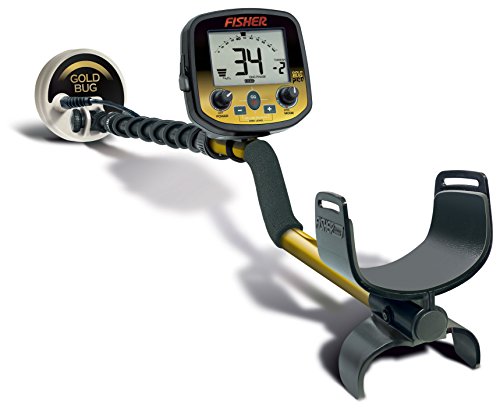
Fisher Gold Bug Pro
$339.00Fisher publishes 19 kHz with real-time Ground Grab balancing, a continuous mineralisation readout, independent threshold and gain control and 2.5 lb, at $339.00.
Best for: hot ground and small gold as well as relics
Check price on AmazonHow we chose
We did not test these machines in person and we publish no find claims. Picks are researched from manufacturer specifications and owner manuals, published listing features, waterproof ratings and warranty terms, and the recurring themes in verified owner reviews. We favour the established detector brands because coils, shafts and control boxes have to stay available years after a model is discontinued, and we place every pick in the tier where its price and capability honestly belong.
Sources
- Fisher F75 operating manual and product specifications
- Teknetics G2+ product specifications
- Fisher Gold Bug Pro product listing
- Nokta The Legend Pro Pack product listing
- Published owner reviews of the Fisher F75
Frequently asked questions
Is the Fisher F75 still worth buying?
For dry, mineralised, iron-heavy relic ground, yes. The mineralisation readout, trigger-actuated FastGrab ground balance, double-filter discrimination and very light build still suit that work. As a general-purpose machine it has been passed, because Fisher publishes no multi-frequency capability and no machine waterproof rating, and rivals at similar money publish both. Buy it for the narrow case, not the broad one.
Is the Fisher F75 waterproof?
The searchcoil is a Double-D waterproof coil, and the machine is not published as submersible. Fisher notes that a rain cover for the control housing and battery housing is available, which tells you how the maker sees it. Treat the F75 as a dry-land detector that tolerates weather with the cover fitted, and do not wade with it.
Fisher F75 vs Nokta Legend: which is better for relic hunting?
The Legend is the more modern machine and the better general buy. Nokta publishes two simultaneous multi-frequency profiles plus five single frequencies and ships both an 11 inch and a 6 inch DD coil in the Pro Pack. The F75 answers with a mineralisation readout, trigger ground balance and very light weight. In hot mineralised soil the F75 still has committed owners, but most relic hunters buying today should look at the Legend.
How long does the Fisher F75 run on batteries?
Fisher publishes typically more than 40 hours from four AA alkaline cells, which is the best published runtime among the machines it competes with and a real advantage on multi-day trips. Keep rechargeable AA cells charged for routine use, and remember that a detector running on tired batteries behaves oddly long before it stops working altogether.
Is the F75 a good first metal detector?
No, and that is not a criticism of the machine. It hands you raw information, including a mineralisation graph and double-filter discrimination modes, and expects you to interpret it. A beginner cannot yet separate a machine limitation from their own inexperience, so the capability goes unused. Start with something forgiving, build a test garden, and come back to this kind of machine later.
Researched, not professional advice. This page is compiled from published specifications, manuals and owner-review consensus, not hands-on testing. Target ID numbers, depth figures and settings vary with soil chemistry, moisture, target size, depth, orientation and firmware version, so treat every figure here as a starting point and verify it against your own machine's manual and your own ground. As an Amazon Associate we earn from qualifying purchases.